
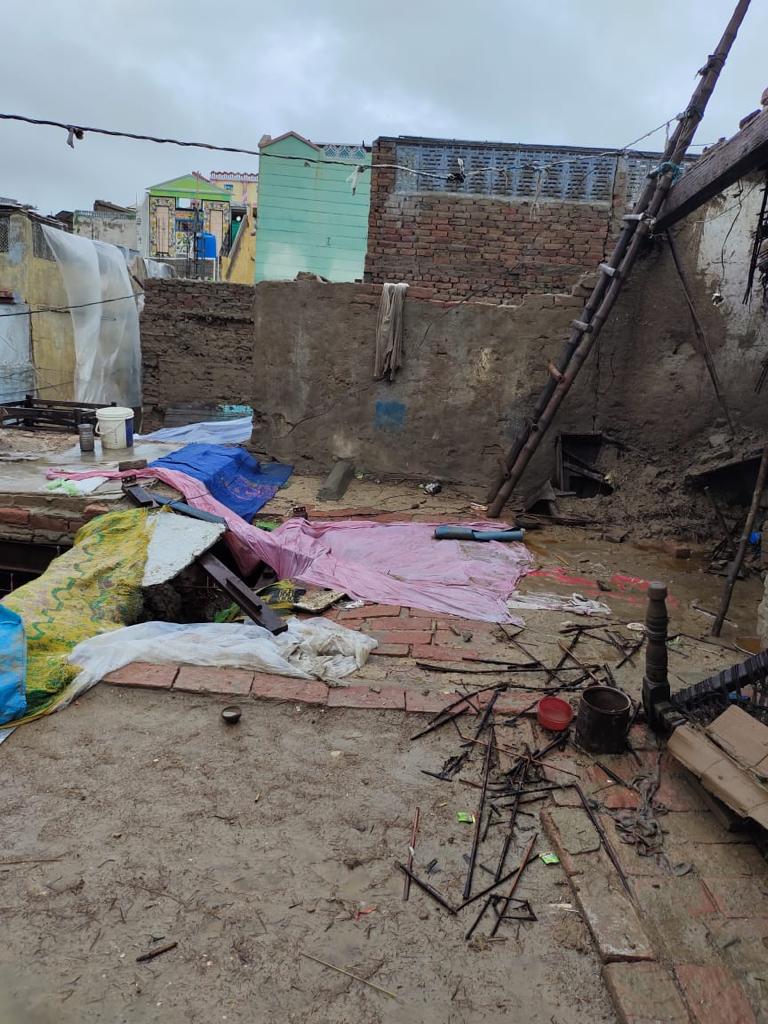
In recent years, devastating rains have wreaked havoc in cities around the world, causing widespread destruction and displacing countless residents. These extreme weather events, often linked to climate change, have highlighted the urgent need for efficient and comprehensive rehabilitation processes to help affected communities recover and rebuild. This article delves into the various aspects of the rehabilitation process after devastating rains in multiple cities, emphasizing the importance of preparedness, collaboration, and long-term resilience.
Immediate Relief Efforts (Rehabilitation Process After Devastating Rains in Various Cities)
After a severe rainfall event, the first step in the rehabilitation process is to provide immediate relief to the affected population. Local governments, NGOs, and humanitarian organizations mobilize resources such as food, clean water, medical supplies, and shelter to address the immediate needs of those impacted. Evacuation and rescue operations are also crucial during this phase to ensure the safety of residents trapped in flood-stricken areas.
Damage Assessment
Once the immediate crisis subsides, authorities begin assessing the extent of the damage caused by the rains. This involves surveying affected areas, quantifying losses to infrastructure, homes, and public facilities, and estimating the number of displaced residents. Accurate damage assessments are vital for prioritizing recovery efforts and securing funding from national and international sources.
Reconstruction and Infrastructure Repair
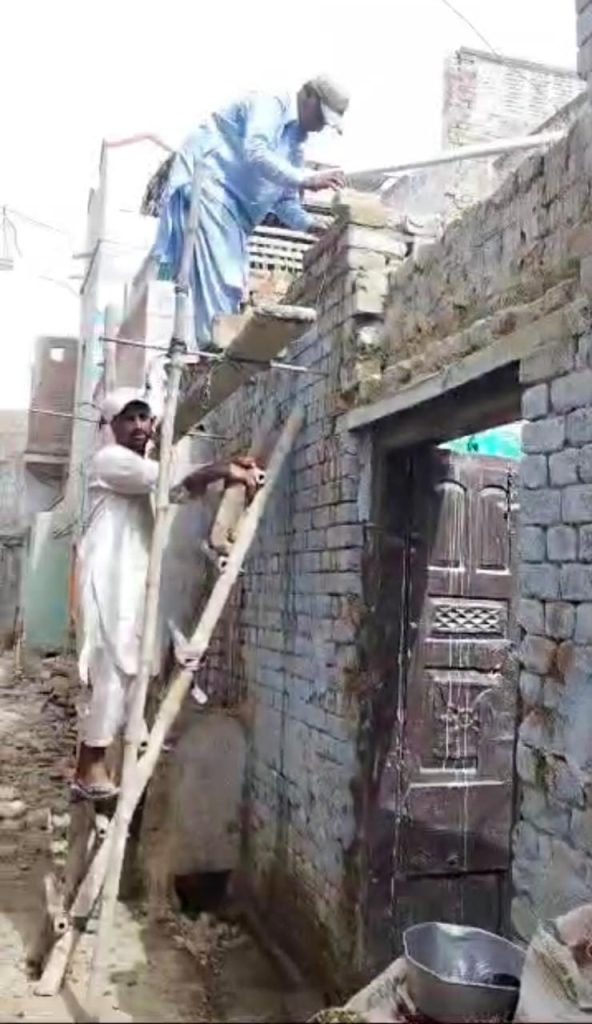
Rehabilitation efforts heavily focus on reconstructing damaged infrastructure. Roads, bridges, schools, hospitals, and utilities must be restored to ensure communities can resume normal life. The repair and rebuilding process can take months or even years, depending on the scale of destruction.
Housing and Shelter
Many residents lose their homes during devastating rains. Providing temporary and permanent housing solutions is a critical aspect of the rehabilitation process. This may include constructing temporary shelters, repairing damaged houses, or building new homes in safer locations. Ensuring adequate housing is vital for the psychological and physical well-being of affected individuals and families.
Mental Health Support
The psychological toll of experiencing a natural disaster like heavy rainfall and flooding cannot be underestimated. Many survivors suffer from trauma, anxiety, and depression. Rehabilitation efforts must include mental health support services, such as counseling and therapy, to help individuals cope with their experiences and rebuild their lives emotionally.
Community Resilience
Building resilience within communities is essential to minimize the impact of future rain-related disasters. This includes implementing early warning systems, improving urban planning to prevent flooding, and educating residents on disaster preparedness. Communities that are better prepared are more likely to withstand and recover from extreme weather events.
Environmental Restoration
Heavy rains often result in environmental damage, including soil erosion and pollution of water bodies. Part of the rehabilitation process involves restoring the natural environment. This may include reforestation efforts, soil stabilization, and water quality improvement projects. A healthy environment is crucial for the long-term sustainability of affected areas.
Collaboration and Funding
The success of the rehabilitation process relies heavily on collaboration between various stakeholders, including government agencies, NGOs, international organizations, and local communities. Adequate funding is also essential to support recovery efforts. Governments often seek financial assistance from national and international sources to fund the rehabilitation process.
Overall
Devastating rains can leave a trail of destruction in their wake, but with a well-planned and coordinated rehabilitation process, affected cities can rebuild and emerge stronger than before. Immediate relief efforts, damage assessment, infrastructure repair, housing solutions, mental health support, community resilience, environmental restoration, and collaboration among stakeholders are all crucial components of the rehabilitation process. In an era of increasing climate change-related disasters, proactive and comprehensive rehabilitation measures are more critical than ever to ensure the long-term recovery and resilience of cities affected by heavy rainfall.